

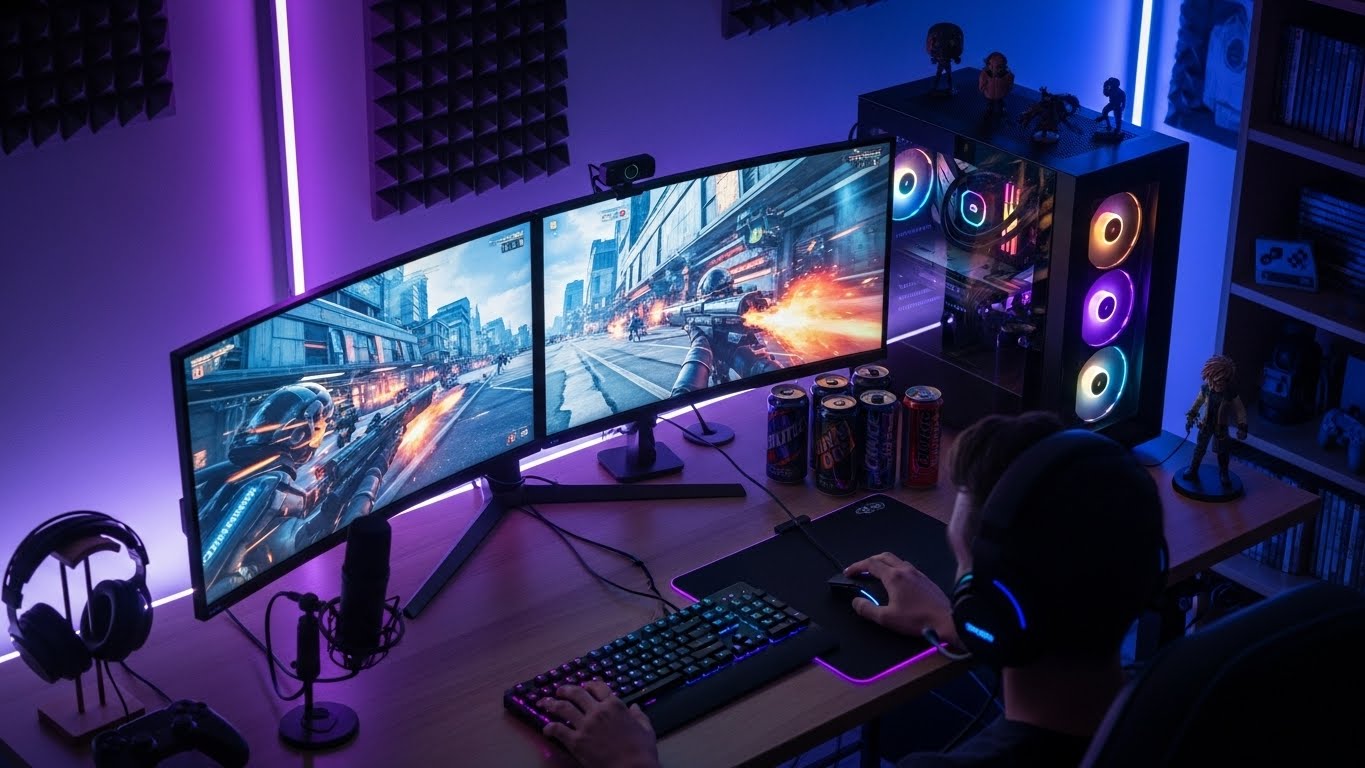
Online slot has become one of the most transformative developments in modern digital entertainment. It has changed how people play games, interact with others, and engage with technology. What started as a simple way for players to compete remotely has grown into a massive global ecosystem filled with communities, professional competitions, live entertainment, and innovative technology.
Today, online gaming is no longer just a hobby for a limited audience. It is a mainstream form of entertainment enjoyed by millions of people across all age groups and regions.
The Journey of Online Gaming
The evolution of online gaming reflects the rapid growth of digital technology.
In earlier years, gaming experiences were mostly offline. Players competed against computer systems or played locally with friends using split-screen or shared devices. Multiplayer experiences existed, but they were limited by hardware and connectivity restrictions.
The introduction of internet gaming changed everything.
Players could suddenly connect with others around the world in real time. This introduced competition, unpredictability, teamwork, and social interaction that traditional offline gaming could not fully provide.
As internet technology improved, online gaming became faster, smoother, and more accessible.
Why Online Gaming Appeals to Millions
Online gaming’s popularity comes from a combination of entertainment, challenge, and connection.
Real Human Competition
Playing against real people creates excitement that artificial intelligence cannot consistently replicate. Human opponents adapt, surprise, and challenge players in unique ways.
Constantly Evolving Content
Many online games receive frequent updates, seasonal events, and new content that keep experiences fresh.
Accessibility Across Devices
Online gaming is available on PCs, consoles, smartphones, and tablets, making participation easy for a wide audience.
Social Interaction
Players can connect with friends or meet new people through shared gaming experiences.
Progression and Achievement
Ranking systems, unlockable content, and competitive milestones encourage long-term engagement.
Together, these factors create highly addictive and rewarding entertainment loops.
Online Gaming as a Digital Community
One of the most important aspects of online gaming is its ability to create communities.
Games today are more than entertainment platforms—they are virtual gathering spaces.
Players interact through:
- Voice chat
- Text communication
- Team matchmaking
- Guilds and clans
- Cooperative missions
- Community events
These features turn games into social ecosystems.
Friendships formed through gaming often continue for years. For some players, gaming communities become important parts of their daily social life.
Online gaming has become a digital meeting place where people connect regardless of geography.
Mobile Gaming Expanded the Market
Mobile gaming dramatically accelerated online gaming’s growth.
Smartphones made multiplayer gaming instantly accessible to billions of users. Casual players who might never purchase a gaming console or PC could now participate easily.
Mobile gaming succeeded because it offers:
- Quick access
- Low barriers to entry
- Free-to-play availability
- Flexible play sessions
- Broad device compatibility
Competitive mobile games also proved that serious online competition could exist beyond traditional gaming hardware.
This expansion helped online gaming become a truly global activity.
The Rise of Competitive Gaming
Competition is one of online gaming’s strongest attractions.
Players enjoy improving skills, climbing rankings, and testing themselves against others.
Competitive systems commonly include:
- Ranked matchmaking
- Seasonal ladders
- Performance statistics
- Tournament brackets
- Achievement systems
This structure creates clear goals and strong motivation.
Competitive gaming also encourages players to practice, study strategies, and refine performance over time.
The sense of measurable improvement keeps engagement high.
Esports and Professional Gaming
Online gaming has created an entirely new professional entertainment sector through esports.
Professional esports competitions now attract millions of viewers worldwide. Teams function like sports organizations, with structured management, sponsorships, and performance support staff.
The esports ecosystem includes:
- Professional players
- Coaches
- Analysts
- Event broadcasters
- Tournament organizers
- Sponsors
- Digital content teams
Prize pools can be enormous, and top players often gain celebrity-like recognition.
Esports has turned competitive gaming into a legitimate career path for talented individuals.
Gaming as Spectator Entertainment
Modern online gaming is not just played—it is watched.
Streaming platforms transformed gaming into a spectator-driven entertainment industry.
Viewers watch:
- Live gameplay
- Tutorials
- Competitive tournaments
- Strategy analysis
- Community events
- Personality-driven entertainment
Gaming creators often build large audiences and sustainable businesses.
Revenue opportunities include:
- Sponsorships
- Donations
- Subscriptions
- Advertising
- Merchandise
This creator economy has become a major extension of the gaming industry.
Technology Behind the Experience
Online gaming depends on technological innovation.
Better Internet Infrastructure
High-speed internet improves responsiveness and multiplayer stability.
Powerful Gaming Hardware
Modern systems deliver smoother graphics and faster performance.
Cloud Gaming Services
Players can access demanding games without premium hardware.
Artificial Intelligence
AI supports smarter matchmaking, adaptive content, moderation, and anti-cheat systems.
Cross-Platform Integration
Players increasingly connect regardless of hardware platform.
Technology continues expanding both accessibility and quality.
Challenges Within Online Gaming
Despite its strengths, online gaming has several challenges.
Toxic Behavior
Competitive environments can sometimes encourage harassment or hostility.
Security Risks
Scams, phishing attempts, and account theft remain ongoing concerns.
Monetization Pressure
Some games rely heavily on aggressive in-game spending models.
Cheating
Unauthorized software damages fairness in competitive environments.
Time Management Concerns
Excessive gaming without healthy boundaries may impact productivity or wellbeing.
These challenges require ongoing attention from developers and communities.
Skills Developed Through Online Gaming
Online gaming can help strengthen useful abilities.
Players often improve:
- Strategic thinking
- Decision-making
- Communication
- Leadership
- Adaptability
- Team coordination
- Fast reactions
- Resource management
Collaborative games especially reinforce real-time teamwork and problem solving.
These benefits demonstrate that gaming can be more than entertainment.
The Future of Online Gaming
Online gaming’s future looks highly innovative.
Emerging developments include:
Virtual Reality Integration
Immersive online environments may become more mainstream.
AI-Powered Dynamic Worlds
Games may respond more intelligently to player actions.
Larger Persistent Digital Spaces
Online worlds may become deeper social ecosystems.
Better Mobile Performance
Mobile gaming will continue narrowing the performance gap.
Inclusive Accessibility Design
Gaming experiences will become more welcoming for broader audiences.
Innovation will continue redefining interactive entertainment.
Final Thoughts
Online slot depo 5k has evolved into one of the most influential entertainment industries in the modern world. It combines competition, technology, creativity, and social interaction in ways few other media can match.
As innovation accelerates and global connectivity improves, online gaming will remain a major force shaping the future of digital entertainment.

